
Description
The Bouncing Ball Challenge is a captivating activity that tests both physical coordination and mental acuity. At its core, the challenge involves bouncing a ball in a controlled manner, often requiring participants to navigate through various obstacles or maintain a rhythm over a set period.
The challenge can be found in various forms, from casual backyard games to competitive sports, and even in digital formats as mobile applications or video games. The origins of the Bouncing Ball Challenge can be traced back to traditional games that emphasize hand-eye coordination and timing. For instance, children have long enjoyed bouncing balls against walls or on the ground, creating a rhythm that can be both soothing and exhilarating.
As the challenge evolved, it began to incorporate elements of competition, where players would attempt to outlast one another or achieve specific goals, such as maintaining a certain number of consecutive bounces. This evolution has led to a rich tapestry of variations, each with its own set of rules and objectives, appealing to a wide audience and fostering a sense of community among participants.
Key Takeaways
- The Bouncing Ball Challenge requires precision and timing to master
- Practice is key to improving your skills in the Bouncing Ball Challenge
- Avoid rushing and take your time to carefully observe the ball’s movement
- Utilize advanced techniques such as spin and angle control to level up in the Bouncing Ball Challenge
- Stay focused and motivated by setting small goals and celebrating your progress in the Bouncing Ball Challenge
Tips and Techniques for Mastering the Bouncing Ball Challenge
To excel in the Bouncing Ball Challenge, one must develop a solid foundation of techniques that enhance both control and precision. One of the most critical aspects is mastering the grip on the ball. A firm yet flexible grip allows for better control over the ball’s trajectory and bounce height.
Players should experiment with different grips to find what feels most comfortable and effective for them. For instance, using the fingertips rather than the palm can provide more sensitivity and responsiveness, enabling quicker adjustments during play. Another essential technique is understanding the physics of the bounce.
The angle at which the ball strikes the ground significantly influences its rebound height and direction. Players should practice varying their angles and force when bouncing the ball to see how these factors affect its movement. For example, a steeper angle may result in a higher bounce, while a flatter angle could lead to a more controlled roll.
By experimenting with these variables, players can develop a more intuitive understanding of how to manipulate the ball effectively during the challenge.
Common Mistakes to Avoid in the Bouncing Ball Challenge

Here’s the text with a relevant HTML link added to a key phrase:
As with any skill-based activity, there are common pitfalls that participants in the Bouncing Ball Challenge should be aware of to enhance their performance. One prevalent mistake is failing to maintain proper posture while bouncing the ball. A slouched or rigid stance can hinder balance and coordination, making it difficult to react quickly to the ball’s movements.
Players should focus on keeping their knees slightly bent and their feet shoulder-width apart, allowing for greater stability and agility. Another frequent error is overthinking each bounce. While strategy is essential, becoming overly analytical can lead to hesitation and mistakes.
Players may find themselves second-guessing their movements or becoming too focused on achieving perfection with each bounce. Instead, cultivating a sense of flow and rhythm can lead to more natural and effective play. Engaging in regular practice sessions can help players build muscle memory, allowing them to react instinctively rather than consciously deliberating each action.
Advanced Strategies for Leveling Up in the Bouncing Ball Challenge
| Strategy | Description |
|---|---|
| Focus on Timing | Master the timing of your jumps to reach higher levels. |
| Use Power-ups Wisely | Strategically use power-ups to maximize your score. |
| Learn from Mistakes | Analyzing your mistakes can help you improve your performance. |
| Practice Regularly | Consistent practice is key to leveling up in the Bouncing Ball Challenge. |
Once players have mastered the basics of the Bouncing Ball Challenge, they may seek advanced strategies to elevate their game further. One effective approach is incorporating movement into the challenge. Instead of remaining stationary while bouncing the ball, players can practice moving laterally or even backward while maintaining control over their bounces.
This added complexity not only enhances physical coordination but also simulates real-game scenarios where players must navigate around opponents or obstacles. Additionally, players can introduce variations in their bouncing techniques to keep opponents guessing and enhance their own adaptability. For instance, alternating between one-handed and two-handed bounces can create unpredictability in gameplay.
Players might also experiment with different types of balls—such as basketballs, tennis balls, or even rubber balls—to challenge their skills further. Each type of ball has unique characteristics that affect its bounce and handling, providing an opportunity for players to expand their repertoire and become more versatile in their approach.
The Psychology of the Bouncing Ball Challenge: Staying Focused and Motivated
The mental aspect of participating in the Bouncing Ball Challenge is as crucial as the physical skills involved. Maintaining focus during play is essential for success; distractions can lead to mistakes that may cost players points or even victory. Techniques such as visualization can be beneficial in this regard.
Players might visualize themselves successfully completing each bounce before they even begin, creating a mental blueprint that guides their actions during gameplay. Motivation also plays a significant role in sustaining interest in the challenge over time. Setting personal goals—whether it’s achieving a specific number of consecutive bounces or mastering a new technique—can provide players with a sense of purpose and direction.
Additionally, finding a community of fellow enthusiasts can foster camaraderie and healthy competition, further enhancing motivation. Engaging with others who share similar interests can lead to shared tips, encouragement during practice sessions, and even friendly rivalries that push individuals to improve.
Taking the Bouncing Ball Challenge to the Next Level: Competing and Winning
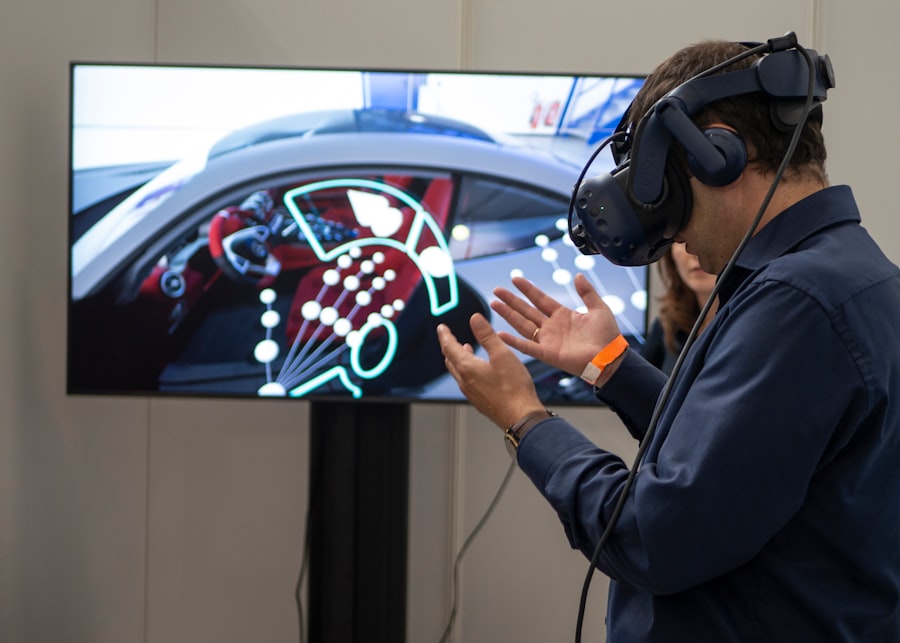
For those looking to elevate their experience with the Bouncing Ball Challenge beyond casual play, entering competitions can be an exhilarating way to test skills against others. Local tournaments often provide opportunities for players to showcase their abilities in front of an audience, adding an element of excitement and pressure that can enhance performance. Preparing for competition involves not only honing technical skills but also developing strategies for dealing with nerves and maintaining composure under pressure.
In competitive settings, understanding one’s opponents becomes crucial. Observing their techniques and strategies during matches can provide valuable insights into how to counteract their strengths while capitalizing on weaknesses.
Whether it’s adjusting to different playing surfaces or responding to an opponent’s unique style, being mentally agile can make all the difference between victory and defeat. In conclusion, mastering the Bouncing Ball Challenge requires a blend of physical skill, mental focus, and strategic thinking. By understanding the nuances of the challenge, employing effective techniques, avoiding common mistakes, exploring advanced strategies, nurturing psychological resilience, and embracing competitive opportunities, players can truly elevate their experience and enjoyment of this engaging activity.
If you’re interested in exploring the world of esports, you should check out the article “Botbclub Menguak Dunia Esport Masa Kini”. This article delves into the current landscape of competitive gaming and how it has evolved over the years. It’s a fascinating read that sheds light on the growing popularity of esports and the opportunities it presents for both players and spectators alike.
FAQs
What is an online bouncing ball?
An online bouncing ball is a digital simulation of a ball bouncing on a surface, typically created using computer programming and displayed on a screen.
How does an online bouncing ball work?
An online bouncing ball works by simulating the physics of a ball in motion, including factors such as gravity, velocity, and collision with surfaces. The ball’s movement is typically controlled by algorithms and mathematical equations.
What are the applications of an online bouncing ball?
An online bouncing ball can be used for educational purposes to demonstrate principles of physics and motion. It can also be used as a visual effect in digital media, such as websites, games, and animations.
Can an online bouncing ball be interactive?
Yes, an online bouncing ball can be programmed to respond to user input, such as mouse clicks or keyboard commands. This interactivity can be used to create engaging experiences for users.
Is an online bouncing ball a realistic simulation of a real bouncing ball?
An online bouncing ball can be programmed to closely mimic the behavior of a real bouncing ball, but its realism depends on the accuracy of the physics simulation and the quality of the programming.