
Description
Virtual reality (VR) has emerged as one of the most transformative technologies of the 21st century, reshaping how we interact with digital content and each other. Initially conceived in the mid-20th century, VR technology has evolved significantly, driven by advancements in computing power, graphics rendering, and sensory feedback systems. The introduction of affordable headsets, such as the Oculus Rift and HTC Vive, has democratized access to VR experiences, allowing a broader audience to engage with immersive environments.
These devices utilize sophisticated sensors and displays to create a sense of presence, making users feel as though they are physically present in a virtual space. The applications of VR extend far beyond gaming, encompassing fields such as education, healthcare, and real estate.
In healthcare, VR is being utilized for surgical training and patient therapy, providing a safe environment for practitioners to hone their skills and for patients to confront phobias or manage pain.
Key Takeaways
- Virtual reality technology has seen a significant rise in popularity, offering immersive experiences through headsets and other devices.
- Virtual communities are forming in the digital world, allowing people to connect and interact in new and innovative ways.
- The impact of virtual life on mental health and wellbeing is a growing concern, as individuals spend more time in digital environments.
- Virtual economies are emerging as a significant aspect of the digital world, with businesses and entrepreneurs exploring new opportunities.
- Virtual entertainment, including gaming and interactive experiences, continues to evolve and shape the way people engage with digital content.
- Navigating the ethical and legal challenges of virtual life is becoming increasingly important as the technology and its impact continue to grow.
Virtual Communities: How People are Connecting in the Digital World
Breaking Down Barriers
These virtual spaces foster a sense of belonging and community, often providing a refuge for those who may feel isolated in their physical lives. The dynamics of communication within these virtual communities are unique. Users can express themselves through customizable avatars, which can reflect their personalities or even embody entirely different identities.
Freedom of Expression
This freedom of expression can lead to deeper connections as individuals feel liberated from the constraints of their physical appearances. Moreover, the immersive nature of VR enhances social interactions; users can share experiences in real-time, whether it’s attending a virtual concert or exploring a digital art gallery together.
Lasting Connections
Such interactions can create lasting friendships and support networks that might not have been possible in the real world.
The Impact of Virtual Life on Mental Health and Wellbeing
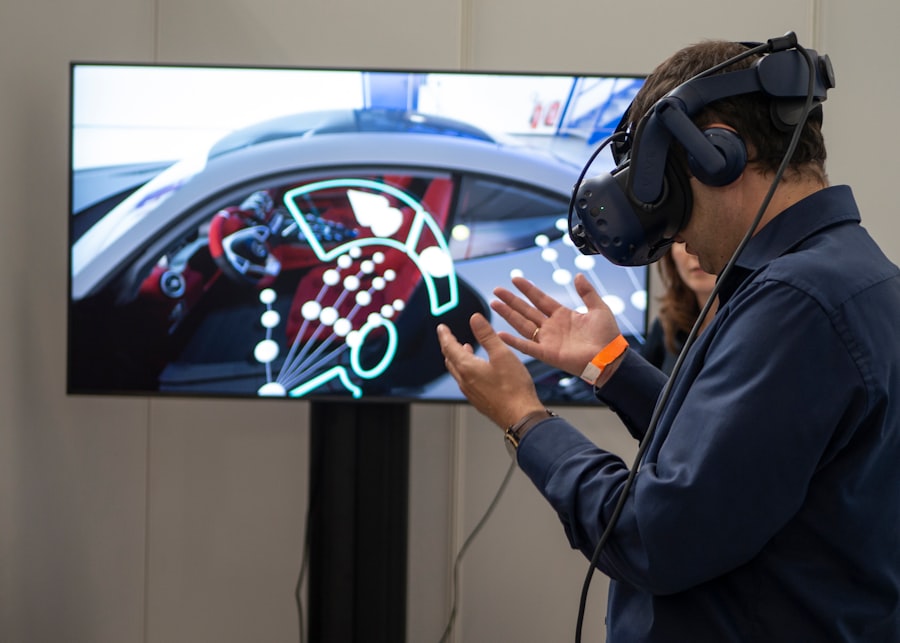
The rise of virtual life has sparked significant discussions regarding its impact on mental health and wellbeing. On one hand, virtual environments can provide therapeutic benefits, offering individuals a space to explore their emotions and confront challenges in a controlled setting. For example, exposure therapy for anxiety disorders can be conducted in VR, allowing patients to face their fears gradually while being supported by mental health professionals.
This innovative approach has shown promising results, demonstrating that virtual experiences can facilitate healing and personal growth. Conversely, there are concerns about the potential negative effects of excessive engagement in virtual worlds. The allure of immersive experiences can lead some individuals to withdraw from real-life interactions, exacerbating feelings of loneliness and isolation.
The phenomenon of “social displacement” occurs when individuals prioritize virtual relationships over face-to-face connections, which can diminish their overall social skills and emotional intelligence. Furthermore, the addictive nature of certain virtual experiences, particularly in gaming, raises questions about the balance between healthy engagement and escapism. As society navigates these complexities, it becomes crucial to understand how to harness the positive aspects of virtual life while mitigating its risks.
Exploring Virtual Economies: The Business Side of the Digital World
| Topic | Metrics |
|---|---|
| Virtual Economy Size | Value in USD |
| Virtual Goods | Number of transactions |
| Virtual Currency | Exchange rate to USD |
| Virtual Marketplaces | Number of active users |
| Virtual Assets | Value in USD |
The emergence of virtual economies represents a significant shift in how value is created and exchanged in the digital realm. Virtual goods and services have become integral components of many online platforms, with users willing to spend real money on digital assets such as skins, avatars, and virtual real estate. This trend has given rise to entire industries centered around the creation and sale of these digital commodities.
For instance, games like Fortnite have generated billions in revenue through microtransactions for cosmetic items that enhance user experience without affecting gameplay. Moreover, the concept of non-fungible tokens (NFTs) has further revolutionized virtual economies by introducing scarcity and ownership to digital assets. Artists and creators can tokenize their work, allowing them to sell unique pieces directly to consumers without intermediaries.
This shift not only empowers creators but also fosters a new form of investment in digital art and collectibles. As virtual economies continue to expand, they challenge traditional notions of commerce and ownership, prompting businesses to adapt their strategies to engage with consumers in innovative ways.
Virtual Entertainment: The Evolution of Gaming and Interactive Experiences
The landscape of entertainment has been irrevocably altered by the advent of virtual reality and immersive technologies. Gaming, once confined to screens and controllers, has evolved into an interactive experience that places players at the center of the action. Titles like Beat Saber and Half-Life: Alyx exemplify how VR can create engaging gameplay that leverages physical movement and spatial awareness.
Players are no longer passive observers; they actively participate in dynamic environments that respond to their actions. Beyond gaming, virtual reality is also redefining other forms of entertainment such as film and live performances. Cinematic VR experiences allow viewers to step inside a story, exploring narratives from multiple perspectives while interacting with characters and settings.
Similarly, artists are experimenting with virtual concerts that enable fans to attend performances from anywhere in the world while enjoying an immersive experience that transcends traditional live events. This evolution not only enhances entertainment value but also opens new avenues for creativity and storytelling.
Navigating the Ethical and Legal Challenges of Virtual Life
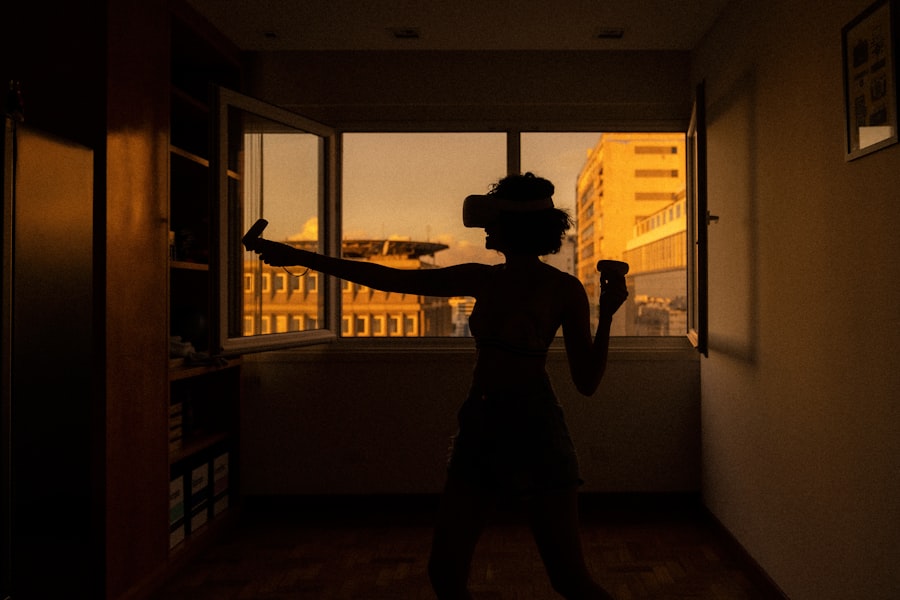
As virtual life continues to expand, it brings forth a myriad of ethical and legal challenges that society must address. Issues surrounding privacy are paramount; users often share personal information within virtual environments without fully understanding how it may be used or stored by platform providers. The collection of data on user behavior raises concerns about surveillance and consent, necessitating robust regulations to protect individuals’ rights in digital spaces.
Additionally, the question of intellectual property rights becomes increasingly complex in virtual environments where content is easily replicated and shared. Creators must navigate a landscape where their work can be copied or misappropriated without proper attribution or compensation. Legal frameworks are struggling to keep pace with technological advancements, leading to calls for clearer guidelines that protect creators while fostering innovation.
As society grapples with these challenges, it is essential to establish ethical standards that promote responsible behavior within virtual communities while ensuring that users can enjoy the benefits of this rapidly evolving digital landscape.
Virtual Life is a fascinating concept that allows individuals to immerse themselves in a digital world where they can interact with others and experience new adventures. One related article that explores the impact of technology on communication is WhatsApp Messenger. This article delves into how messaging apps like WhatsApp have revolutionized the way we connect with others, blurring the lines between virtual and real-life interactions. It’s interesting to see how advancements in technology are shaping our virtual lives and changing the way we communicate with one another.
FAQs
What is virtual life?
Virtual life refers to the experience of living and interacting in a digital or virtual environment, often through the use of technology such as virtual reality, augmented reality, or online platforms.
What are some examples of virtual life?
Examples of virtual life include virtual reality games and simulations, social media platforms, online communities, and virtual worlds such as Second Life and The Sims.
How does virtual life differ from real life?
Virtual life differs from real life in that it takes place in a digital or simulated environment, and the interactions and experiences are mediated by technology. While virtual life can offer a sense of escapism and creativity, it may not always accurately reflect the complexities and nuances of real life.
What are the benefits of virtual life?
Some potential benefits of virtual life include opportunities for creativity and self-expression, the ability to connect with others from around the world, and the potential for immersive and engaging experiences.
What are the potential drawbacks of virtual life?
Drawbacks of virtual life may include issues related to privacy and security, the potential for addiction or excessive screen time, and the risk of disconnecting from real-life relationships and experiences.
How is virtual life impacting society?
Virtual life is impacting society in various ways, including influencing how people socialize, work, and entertain themselves. It has also raised questions about the boundaries between the digital and physical worlds, and the implications for mental health and well-being.